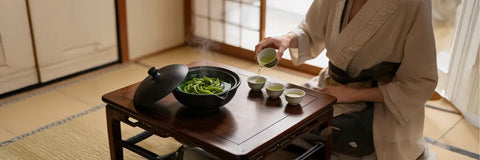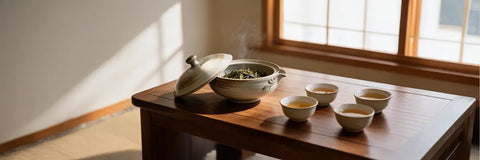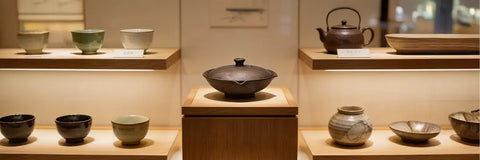
Die Suche nach shiboridashi wird deutlich einfacher, wenn man sich auf japanische Teespezialisten wie Nio Teas konzentriert, die Gefäße speziell für die Zubereitung gyokuro und hochwertigem Grüntee auswählen.
Das shiboridashi ist ein henkelloses, flachbodiges Brühgefäß, das speziell für schattige japanische Teesorten wie gyokuro und Kabuse sencha entwickelt wurde. Seine weite, niedrige Form ermöglicht es den Teeblättern, sich vollständig zu entfalten, während sein geringes Volumen eine konzentrierte, umami-betonte Tasse Tee begünstigt.
Nicht jeder Verkäufer versteht diesen Unterschied. Ein shiboridashi das man in einem allgemeinen Haushaltswarengeschäft kauft, wird wahrscheinlich nicht die gleichen Eigenschaften aufweisen wie eines, das man von einem Spezialisten für japanisches Teegeschirr bezieht.
Dieser Artikel behandelt, wo man ein shiboridashi zum Verkauf findet, worauf man in Bezug auf Tonqualität und Verarbeitung achten sollte und warum die Herkunft genauso wichtig ist wie das Gefäß selbst.
Wenn Sie bereit sind, gyokuro so zu brauen, wie es verdient, gebraut zu werden, lesen Sie weiter.
Wo man Shiboridashi kaufen kann: Warum Nio Teas wählen?

Für alle, die sich fragen, wo man shiboridashi kaufen kann: Nio Teas bietet eine kuratierte Kollektion von Tokoname Tongefäßen an, die speziell für gyokuro und hochwertige japanische Grüntees entworfen wurden.
Was Nio Teas auszeichnet, ist der Kontext. Jedes angebotene Gefäß wird mit einer detaillierten Zubereitungsanleitung geliefert, und das Team weiß genau, welche Teesorten zu welchem Gefäß passen. Diese Präzision ist entscheidend, wenn Sie sich entscheiden, ob Sie ein shiboridashi für gyokuro , Kabuse sencha oder beides kaufen möchten. Nio Teas liefert weltweit und ist damit in vielen Ländern eine der am besten erreichbaren Online-Quellen für shiboridashi .
Wo man Shiboridashi online und im Handel kaufen kann
Spezialisten Japanisches Teegeschirr
Neben Nio Teas bieten nur wenige japanische Teefachhändler shiboridashi online zum Verkauf an. Diese Fachgeschäfte sind einen Besuch wert, wenn Sie verschiedene Tonarten vergleichen oder eine bestimmte Oberflächenbehandlung suchen, beispielsweise unglasierten schwarzen Ton im Vergleich zu hellerer Steinzeugkeramik.
Der Vorteil beim Kauf in einem Fachgeschäft liegt darin, dass die Mitarbeiter Sie beraten können, wie sich die Tonart auf den Geschmack auswirkt. Tokoname Ton beispielsweise soll mit den Tanninen im Tee interagieren und so bei regelmäßigem Gebrauch die Adstringenz mildern. Solches Produktwissen findet man im normalen Handel nur selten.
Seien Sie vorsichtig bei großen Plattformen wie Amazon und Etsy. Dort finden Sie zwar Artikel, die als shiboridashi gekennzeichnet sind, doch die Produktbeschreibungen sind oft nicht fachkundig. Der Begriff wird mitunter auch für Gefäße verwendet, die vom Design her eher einem hohin oder einer Gaiwan-Schale mit Deckel ähneln . Beide verhalten sich jedoch unter den für gyokuro erforderlichen Bedingungen – niedrige Temperatur, hoher Blattanteil – anders.
Die Zubereitungsparameter für diese Kaffeebohnen unterscheiden sich, und dieser Unterschied ist wichtig, wenn man gyokuro in seiner besten Form genießen möchte. Wenn Sie vor dem Kauf eine klare Übersicht über die Unterschiede wünschen, bietet Ihnen dieser Leitfaden alles Wissenswerte. 👉 Was sind die Unterschiede zwischen Shiboridashi und Hohin ?
Lokale Teeläden und Keramikgalerien
Lokale Teeläden und japanische Keramikgalerien führen gelegentlich shiboridashi , insbesondere in Städten mit einer ausgeprägten japanischen Ess- und Kulturszene. Der Vorteil des persönlichen Kaufs liegt darin, dass man vor dem Kauf den Deckelverschluss, die Gewichtsverteilung und die Verarbeitung des Ausgusses prüfen kann.
Allerdings ist der Lagerbestand meist begrenzt und der Umschlag langsam. Wer heute ein shiboridashi kaufen möchte, findet bei Online-Händlern in der Regel eine größere Auswahl und bessere Verfügbarkeit. Lokale Geschäfte sollten eher als Ergänzung zur Online-Recherche denn als Hauptbezugsquelle dienen.
Warum sich die Investition in ein hochwertiges Shiboridashi lohnt
Präzisionsbrauen für Gyokuro

Gyokuro zählt zu den teuersten japanischen Grüntees, gemessen am Gewicht. Er wird vor der Ernte etwa drei bis vier Wochen im Schatten angebaut, wodurch sein L -Theanin -Gehalt steigt und ihm die charakteristische süße, ozeanische Tiefe verleiht. Die Zubereitung im falschen Gefäß führt nicht nur zu einem geringeren Geschmack, sondern verschwendet den Tee regelrecht. Für anspruchsvolle gyokuro Liebhaber ist es daher genauso wichtig zu wissen, wo man shiboridashi ein traditionelles japanisches Teegefäß) kaufen kann, wie die korrekten Zubereitungsparameter zu kennen.
Die shiboridashi ist speziell dafür entwickelt, ein hohes Verhältnis von Teeblättern zu Wasser bei sehr niedrigen Temperaturen (typischerweise zwischen 40 und 60 Grad Celsius) in einem kleinen Volumen zu halten. Diese Kombination extrahiert maximales Umami bei minimaler Bitterkeit. Eine herkömmliche Teekanne mit vertikaler Kammer und hohem Sieb kann diese Dynamik nicht erreichen. Sind Sie sich nicht sicher, ob eine shiboridashi oder eine traditionelle japanische Teekanne besser zu Ihren Zubereitungsvorstellungen passt? Dieser Vergleich bringt Klarheit. 👉 Shiboridashi vs. Kyusu : Welche japanische Teekanne ist die richtige für Sie?
Wer bereits in hochwertigen gyokuro investiert, sollte sich informieren, wo man shiboridashi kaufen kann und in das richtige Gefäß investieren. Dieselben Blätter schmecken merklich anders und deutlich besser, wenn sie richtig zubereitet werden. Wer in der Zwischenzeit noch mit einem kyusu arbeitet, findet in einer Anleitung zur kyusu Zubereitung hilfreiche Tipps, um das Beste daraus zu machen.
Töpferkunst und Gießtechnik
Die Qualität des Tons beeinflusst mehr als nur die Ästhetik. Unglasierter Tokoname Ton ist porös, wodurch er nach und nach Spurenstoffe aus den darin aufgebrühten Tees aufnimmt. Mit der Zeit entwickelt das Gefäß eine Patina, die den Geschmack nachfolgender Aufgüsse subtil verfeinert. Dies ist dasselbe Prinzip, das auch beim Einbrennen einer gusseisernen Pfanne zum Einsatz kommt, und deshalb widmen passionierte Teetrinker oft ein eigenes shiboridashi einer einzigen Teesorte.
Die Ausgießleistung ist ebenso wichtig. Ein gut gefertigtes shiboridashi gießt sauber und tropffrei, und der Deckel sitzt fest genug, um die Teeblätter durch die kleinen Einkerbungen nahe dem Ausguss zu filtern. Billige Alternativen sparen an beiden Punkten. Die Einkerbungen können zu weit auseinanderliegen, der Deckel wackelt, und der Tee tropft.
Das sind keine kosmetischen Mängel. Sie beeinträchtigen das Brauerlebnis bei jeder einzelnen Sitzung.
Was hochwertiges Teegeschirr von generischen Alternativen unterscheidet

Beim Stöbern nach shiboridashi auf verschiedenen Plattformen sind die Unterschiede zwischen einem hochwertigen und einem minderwertigen Stück nicht immer auf den Produktfotos erkennbar. Viele Ratgeber erklären, wo man shiboridashi kaufen kann, aber deutlich weniger erläutern, wie sich die Qualität des Tons und die Verarbeitung langfristig auf das Brüherlebnis auswirken.
Die Herkunft des Tons ist entscheidend. Tokoname -Keramik blickt auf eine Geschichte zurück, die bis in die Heian-Zeit reicht, und wird in der Präfektur Aichi in Japan hergestellt. Dieses Erbe erstreckt sich sowohl auf Kyusu-Teekannen als auch auf shiboridashi -Braugefäße. Der Ton ist von Natur aus eisenreich, was ihn unter anderem so gut für die Zubereitung von Grüntee geeignet macht. Bei Angeboten, die weder die Herkunft des Tons noch den Brennofen angeben, sollte man skeptisch sein.
Auch die Herstellungsmethode spielt eine Rolle. Die gleichen Prinzipien, die bei der Auswahl einer Kyusu-Teekanne aus Ton gelten – Porosität, Wandstärke und Brennvorgang – sind auch bei der Beurteilung eines shiboridashi relevant. Handgedrehte oder handgeformte Stücke weisen leichte Abweichungen in Textur und Oberfläche auf, die ein Merkmal und kein Mangel sind. Gleichmäßige, fabrikglatt wirkende Oberflächen deuten oft auf maschinelles Pressen hin, wodurch ein dichterer, weniger poröser Tonkörper entsteht, der sich im Laufe der Zeit anders verhält.
Das Fassungsvermögen ist wichtiger, als den meisten Käufern zunächst bewusst ist. Ein shiboridashi -Topf für gyokuro fasst typischerweise 50 bis 80 ml. Größere Gefäße verändern das Verhältnis von Teeblättern zu Wasser und führen dazu, dass der Brühvorgang eher den Standardparametern sencha entspricht. Wenn Sie sich nicht sicher sind, welches Fassungsvermögen für Ihre Zwecke geeignet ist, finden Sie im Artikel über die Zubereitung gyokuro im Nio Teas Blog detaillierte Informationen dazu.
Auswahl einer Bezugsquelle für japanischen Tee
Der beste Ort, um ein shiboridashi zu kaufen, ist nicht einfach der mit dem niedrigsten Preis oder dem schnellsten Versand. Es ist derjenige, bei dem der Verkäufer die Beziehung zwischen dem Gefäß und dem Tee, für den es bestimmt ist, versteht.
Nio Teas betrachtet Teegeschirr als Erweiterung des Tees selbst. Die in der Kollektion enthaltenen shiboridashi Schalen sind so ausgewählt, dass sie die gyokuro und Premium- sencha Tees, die auf derselben Website erhältlich sind, perfekt ergänzen. Diese Abstimmung ist bewusst gewählt. Sie können die gesamte japanische Teegeschirr-Kollektion durchstöbern, darunter Stücke wie das braune Shigaraki -Set , um zu sehen, wie sich die shiboridashi Schalen in ein durchdachtes Zubereitungs-Setup einfügen.
Wenn Sie sich mit japanischem Teegeschirr noch nicht auskennen und einen zuverlässigen Einstieg suchen, sind Sie bei Nio Teas genau richtig, um shiboridashi bedenkenlos zu kaufen. Produktkenntnisse, transparente Herkunft und internationaler Versand machen Nio Teas zur besten Online-Option.